The Allure of Risk and Reward
The thrill of casino games is deeply rooted in the psychology of risk and reward. Players are often drawn to the excitement of potentially winning significant amounts of money, which can trigger a rush of adrenaline. This feeling is not just about financial gain; it’s about the experience of taking a chance and the possibility of an unexpected outcome. The anticipation that builds before a game can enhance the excitement, leading to a heightened emotional state that many players find irresistible. For those looking for alternatives, there are various options available such as a non gamstop casino that provide unique experiences.

This psychological phenomenon is further amplified by the concept of instant gratification. In casino settings, players receive immediate feedback on their bets, whether they win or lose. This immediate response can reinforce gambling behavior, as players are encouraged to keep playing to chase that next big win. The cycle of risk and reward creates a compelling dynamic that keeps individuals returning to the gaming floor.
The Role of Cognitive Biases
Cognitive biases play a significant role in shaping the gambling experience. One common bias is the illusion of control, where players believe they can influence the outcome of a game through their actions or strategies. This belief can lead to overconfidence and increased gambling, as players may not recognize the true randomness of many casino games. For instance, a player might think they can improve their odds in a game like roulette simply by choosing certain colors or numbers.
Additionally, the gambler’s fallacy often affects players’ thinking. This bias leads individuals to believe that past outcomes can influence future results, such as thinking that a winning streak will continue or that a losing streak must end soon. These misconceptions can influence betting behaviors and contribute to prolonged gambling sessions, as players attempt to ‘beat the odds’ based on flawed reasoning.
The Social Aspect of Gambling
Casino games are not just solitary activities; they often involve social interaction, which can intensify the excitement. Many players enjoy the camaraderie and shared experience of gambling with friends or other patrons. This social dimension can create a sense of community and belonging, making the experience more fulfilling. In crowded environments, the energy of the players can further enhance the thrill, as the shared highs and lows contribute to a dynamic atmosphere.
Moreover, social approval can impact individual gambling behavior. Players might feel encouraged to engage in riskier bets when surrounded by friends or fellow gamblers, as they seek to enhance the social experience. The cheers and reactions of others can heighten emotions, creating a cycle of excitement that fuels further betting. This social influence makes gambling more than just a financial endeavor; it becomes a shared moment of thrill and entertainment.
The Impact of Environment and Design
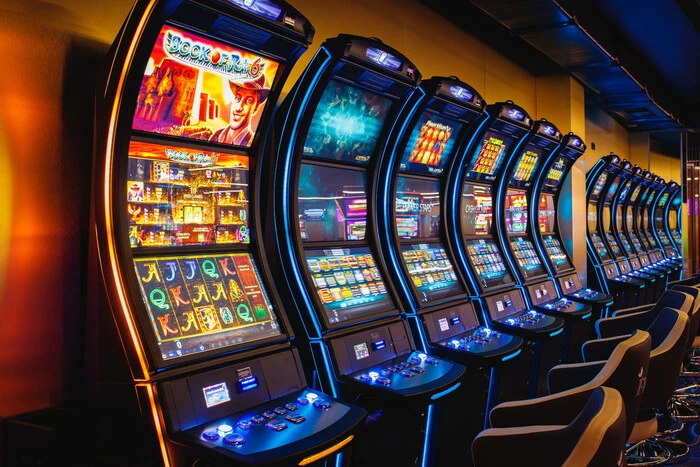
The design of casinos themselves contributes significantly to the psychological effects of gambling. The layout, lighting, and sounds of a casino are deliberately created to stimulate excitement and prolong engagement. Bright lights and the sounds of winning machines serve as constant reminders of potential rewards, drawing players deeper into the gaming environment. This sensory overload can impact decision-making, making it difficult for players to gauge how much time and money they are spending.
Furthermore, the lack of clocks and windows in many casinos is a strategy to enhance the feeling of escapism. Players can lose track of time, leading to extended gambling sessions. This design tactic plays into the psychology of immersion, where players become so engrossed in the experience that they neglect their surroundings, further amplifying the thrill of the game.
Conclusion: Insights from London News Online
Understanding the psychology behind casino games offers valuable insights into why people gamble and the factors that enhance their experiences. The blend of risk, social interaction, cognitive biases, and environmental design all contribute to the thrill that captivates players. As gambling continues to evolve, particularly in the digital space, these psychological elements will remain crucial in understanding player behavior.
At London News Online, we strive to keep our readers informed about various topics, including gambling trends and psychological insights. Our commitment to delivering quality content ensures that you remain updated on everything relevant to London, including the ever-evolving world of casino gaming. Engage with us to explore more about how gambling shapes our lives and the thrill it brings to players across the globe.