Understanding the psychological effects of gambling on decision-making and behavior
The Nature of Gambling and Its Appeal
Gambling has a unique allure that captivates millions worldwide. It is often perceived as an exciting escape from reality, offering the potential for instant gratification and financial reward. The thrill of placing a bet can stimulate the brain’s reward system, releasing dopamine, a neurotransmitter associated with pleasure. This biochemical reaction can lead to an increase in risk-taking behavior, as individuals may become more inclined to chase losses or seek out additional bets in hopes of recouping their investments. Players can explore options at a fast withdrawal casino, where winnings are quickly accessible, enhancing the overall experience.
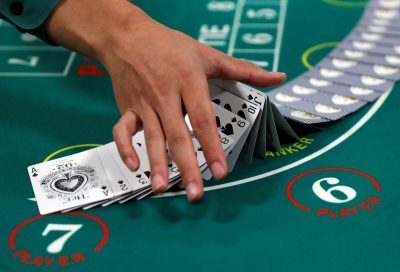
Furthermore, the social aspect of gambling adds to its appeal. Many individuals are drawn to casinos and betting environments because they provide a communal experience, fostering connections and excitement. This social interaction can lead to heightened emotions, making the act of gambling even more compelling. As a result, the combination of psychological and social elements creates a potent mix that can deeply influence an individual’s decision-making and behaviors in the context of gambling.
The Role of Luck versus Skill in Gambling Decisions
The ongoing debate between luck and skill in gambling significantly impacts players’ perceptions and decision-making processes. Many games, such as poker, incorporate elements of skill, allowing experienced players to leverage their knowledge to gain a competitive advantage. This can create an illusion of control, where gamblers believe their decisions influence outcomes more than they actually do. Conversely, games of pure chance, like slots and roulette, emphasize the randomness of results, which can lead to feelings of helplessness if players do not win.
This distinction can shape a gambler’s approach to their activities. Those who believe in their skill may be more likely to take risks, driven by confidence in their ability to succeed. On the other hand, those focused on luck may engage in superstitious behaviors, such as ritualistic betting patterns, believing they can somehow influence the randomness of the game. Understanding this dynamic is crucial in comprehending how individuals make decisions in gambling scenarios.
Psychological Triggers and Cognitive Biases
Cognitive biases play a significant role in gambling behavior. One common bias is the “gambler’s fallacy,” which leads individuals to believe that past outcomes affect future results in random events. For instance, if a player sees a series of losses, they might feel that a win is “due,” which can lead to increased betting. This distortion in thinking can result in poor decision-making, as players may not recognize the inherent unpredictability of games of chance.
Additionally, the concept of “near misses” can reinforce gambling behavior. When players come close to winning, it can trigger excitement and the belief that victory is imminent, prompting them to continue gambling. This psychological phenomenon can make it challenging for individuals to recognize the negative consequences of their decisions, potentially leading to problematic gambling habits. Awareness of these triggers is essential for anyone looking to understand the psychological landscape of gambling.
The Impact of Gambling on Mental Health
The psychological effects of gambling can have profound implications for mental health. For some individuals, gambling can escalate into an addiction, characterized by compulsive behavior and an inability to control the urge to gamble. This addiction can lead to a range of emotional issues, including anxiety, depression, and feelings of guilt or shame. The financial strain resulting from gambling can also exacerbate these problems, creating a vicious cycle that is difficult to escape.
Moreover, the stigma surrounding gambling addiction can prevent individuals from seeking help. Many may fear judgment from others or feel isolated in their struggles, further compounding their mental health issues. Understanding the link between gambling and mental health is essential for developing effective interventions and support systems, highlighting the need for open conversations about this often-overlooked issue.

Enhancing Your Gambling Experience Safely
Engaging with gambling responsibly is crucial for maintaining both enjoyment and mental well-being. Many resources focus on promoting safe gambling practices, emphasizing the importance of setting limits and recognizing when to take a break. Individuals are encouraged to approach gambling as a form of entertainment rather than a means to generate income, which can help mitigate the risks associated with addictive behaviors.
In addition, many platforms prioritize player safety by providing information on responsible gambling and offering tools for self-assessment and self-exclusion. By understanding the psychological effects of gambling and utilizing available resources, players can enhance their gaming experiences while minimizing potential negative impacts on their lives.